Memory Room in the Client's Home

Memory Room Setup (Adapted from Brush April, 2025)
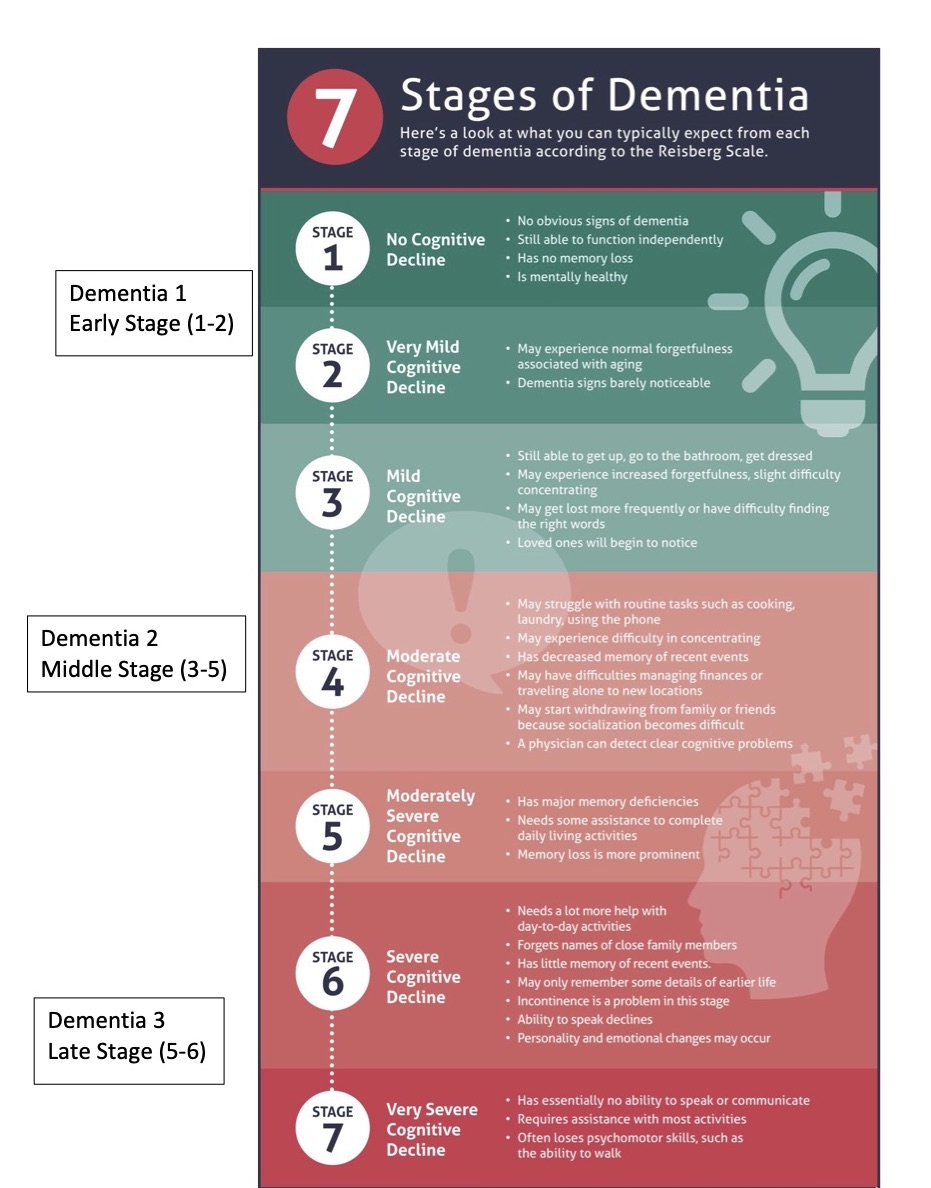
A memory room in the home can nurture a sense of independence for a loved one experiencing early-stage dementia by providing them with a familiar space where they can easily locate personal and meaningful items.
Choosing the Right Room:
Since the memory room will be used frequently, select a room on the main floor—such as the living room, home office, or dining room—instead of the kitchen, which is primarily reserved for meal preparation.
Steps to Prepare the Memory Room:
Place a couple of items—for example, a small flower arrangement, neatly folded towels or napkins, or even silverware that needs polishing—to provide gentle, purposeful activities.
Go Back A memory room in the home can nurture a sense of independence for a loved one experiencing early-stage dementia by providing them with a familiar space where they can easily locate personal and meaningful items.
Choosing the Right Room:
Since the memory room will be used frequently, select a room on the main floor—such as the living room, home office, or dining room—instead of the kitchen, which is primarily reserved for meal preparation.
Steps to Prepare the Memory Room:
- Declutter and Clean:
Remove any items that are no longer needed or might cause distress—like unused boxes or personal belongings that could evoke anxiety. - Furnish with Familiar Items:
Include a comfortable chair or familiar couch, a table, cupboards or shelving units, proper lighting, and perhaps a radio or stereo. The goal is to create an environment that is cozy and recognizable, reducing the risk of stress or confusion. - Organize the Cupboard:
Use foldable fabric storage cubes to organize different items:- Memorabilia: Coupons, old photos, newspaper clippings, or letters.
- Games: Items such as triominos, dominos, NFL/MLB memory games, playing cards, Qwirkle, or Sequence.
- Puzzles: Cube puzzles, wooden Tetris puzzles, or photo puzzles.
- Art Supplies: Colored pencils, markers, or watercolors for coloring pages.
Place a couple of items—for example, a small flower arrangement, neatly folded towels or napkins, or even silverware that needs polishing—to provide gentle, purposeful activities.
- Incorporate a Digital Clock:
Position a small table or desk with a digital clock that displays the date and day in a large, clear format. This can be mounted on the tabletop, desk, or even on a wall to aid orientation. - Label Common Items:
To further assist with recognition and memory recall, label everyday objects (such as the clock, table, newspaper, and so on) so that your loved one can easily identify them.